


Oral Biopsies
Affordable dentist in Kendall
Oral Biopsies
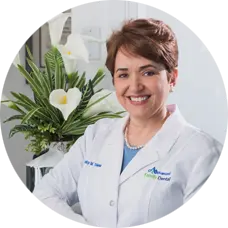
Changes in the soft tissues of the mouth, including unusual sores, white or red patches, lumps, and areas that do not heal within two to three weeks, deserve careful clinical attention. While most oral lesions are benign and resolve on their own, some represent pre-cancerous changes or early-stage oral cancer that can be treated successfully when caught before they progress. The only definitive way to determine whether an oral lesion is harmless or potentially dangerous is through a biopsy: the removal of a small sample of tissue for laboratory analysis. At Advanced Family Dental Kendall, Dr. Nelcy Triana performs oral biopsies with the skill and thoroughness that come from more than 30 years of clinical experience, and she takes every unexplained oral change seriously.
Oral cancer is diagnosed in tens of thousands of Americans every year. The survival rate is significantly higher when the disease is caught in its early stages, yet most oral cancers are not identified until they have reached a more advanced and harder-to-treat phase. The gap between early detection and late diagnosis is often a matter of whether routine oral cancer screenings are being performed and whether suspicious lesions are being biopsied promptly rather than watched and waited on indefinitely. Dr. Triana includes an oral cancer screening as part of every comprehensive examination at Advanced Family Dental, using visual inspection and palpation to evaluate the tissues of the lips, cheeks, tongue, floor of the mouth, palate, and throat for any changes that require closer attention.
What Types of Lesions May Require a Biopsy?
Any oral lesion that does not resolve within two to three weeks without a clear mechanical cause warrants evaluation. Common findings that may lead Dr. Triana to recommend a biopsy include white patches called leukoplakia, which can range from benign to pre-cancerous; red patches called erythroplakia, which carry a higher statistical risk of malignancy; ulcerations that are unusually large, irregular, or persistently painful; raised or thickened areas of tissue that feel different from the surrounding mucosa; and dark or discolored areas that do not match the expected pigmentation of the surrounding tissue. Lesions in patients who use tobacco or alcohol, who have had significant sun exposure to the lips, or who have a history of HPV infection are given particular attention due to elevated risk profiles.
How an Oral Biopsy Is Performed
Most oral biopsies performed in a general dental setting are incisional biopsies, meaning that a small representative sample of the lesion is removed while leaving the rest of the lesion in place for the pathologist to evaluate in context. For very small lesions, an excisional biopsy removes the entire lesion in one piece. Both types of procedures are performed under local anesthesia and take only a few minutes once the tissue is numb. The sample is carefully handled to preserve its integrity, placed in a fixative solution, and submitted to an oral pathology laboratory with detailed clinical notes describing the lesion’s appearance, location, duration, and any associated symptoms.
The procedure itself causes minimal discomfort once the anesthetic has taken effect. Patients typically experience some mild soreness at the biopsy site for a few days afterward, which can be managed with over-the-counter pain relievers. A small stitch or two may be placed to close the biopsy site, and these are either removed at a brief follow-up appointment or placed with self-dissolving suture material. The biopsy site heals quickly, usually within one to two weeks.
Understanding Your Results
Laboratory results from an oral biopsy are typically available within seven to ten business days. Dr. Triana reviews the pathology report and contacts the patient to discuss the findings in detail. If the report confirms a benign diagnosis such as a fibroma, aphthous ulcer, or mucocele, no further treatment is required unless the lesion causes discomfort or functional problems. If the report identifies dysplastic, pre-cancerous, or cancerous changes, Dr. Triana discusses the findings clearly and coordinates appropriate next steps, which may include referral to an oral and maxillofacial surgeon or oncologist, depending on the nature and extent of the findings.
Early action is always better than delayed action when tissue changes are involved. If you have noticed a sore, patch, lump, or any other change in your mouth that has been present for more than two weeks without a clear explanation, do not wait. Contact Advanced Family Dental Kendall to schedule an evaluation. Dr. Triana and the bilingual team are here to provide the thorough, compassionate care that every patient deserves, in English or Spanish, at every step of the process.
Testimonials
See What Our Patients Are Saying

I was really impressed with the office staff and Doctor. They were extremely friendly and took the time to explain to both my husband and I what kind of work we needed done and why. I’ve been to other offices where they try to push unnecessary procedures on you

My whole family has been patients at Advance Family Dental for some time now and their service has been amazing. The atmosphere of good and friendly attention from their professional office staff makes them helpful in understanding

Dr. Traina makes you feel as if you’ve been her patient for a lifetime. Few dentists have ever gone the extra step to ask about me! She gets to know her patients as people not just names on files and screens. She makes you feel so comfortable.

Our family is so glad to have found this gem. This dental practice is a cut above most practices – and we have checked out several – in the area. The place is family friendly, nice and clean, the equipment cutting edge,
Advanced Family Dental
Contact Us
Call Us
786.899.0889
Location
Kendall Pointe Plaza
16650 SW 88th Street, Suite 106
Miami, FL 33196
Office Hours
Monday-Friday: 9am to 6pm
Saturday: By appointment