



Why Should You Have Your Tooth Extracted? Understanding When and Why It’s Needed
Losing a tooth is never something anyone looks forward to, but sometimes, removing a tooth is the healthiest choice for your smile. Tooth extraction is a common and safe dental procedure that helps prevent pain, infection, and damage to surrounding teeth. At Advanced Family Dental in Kendall, FL, our goal is always to save your natural teeth whenever possible—but in certain cases, extraction is the best way to protect your overall oral health.
If you’ve been wondering why tooth extractions are sometimes necessary, what the symptoms are, and what types of extractions exist, keep reading. Understanding the process can help you feel confident and comfortable if your dentist recommends one.
When Is a Tooth Extraction Necessary?
A tooth extraction may be needed when your tooth is damaged beyond repair, either due to severe decay, infection, or trauma. Sometimes, even advanced restorative treatments like root canals or crowns can’t save a tooth if the structure is too compromised.
Here are the most common reasons why your dentist might recommend an extraction:
-
Severe Tooth Decay or Infection: When bacteria reach the pulp (the inner part of your tooth), it can cause intense pain and swelling. If the infection cannot be treated with antibiotics or a root canal, removing the tooth is necessary to protect your health.
-
Crowding or Orthodontic Reasons: Sometimes, teeth are removed to make space for orthodontic treatment or to align your smile properly.
-
Impacted Wisdom Teeth: Wisdom teeth often don’t have enough room to erupt properly, causing pain, swelling, and even gum infection.
-
Gum Disease (Periodontitis): Advanced gum disease can loosen teeth by damaging the surrounding bone, leading to the need for extraction.
-
Broken or Fractured Teeth: A tooth that is cracked below the gum line cannot be restored and may need to be removed.
Common Symptoms That May Indicate a Tooth Needs Extraction
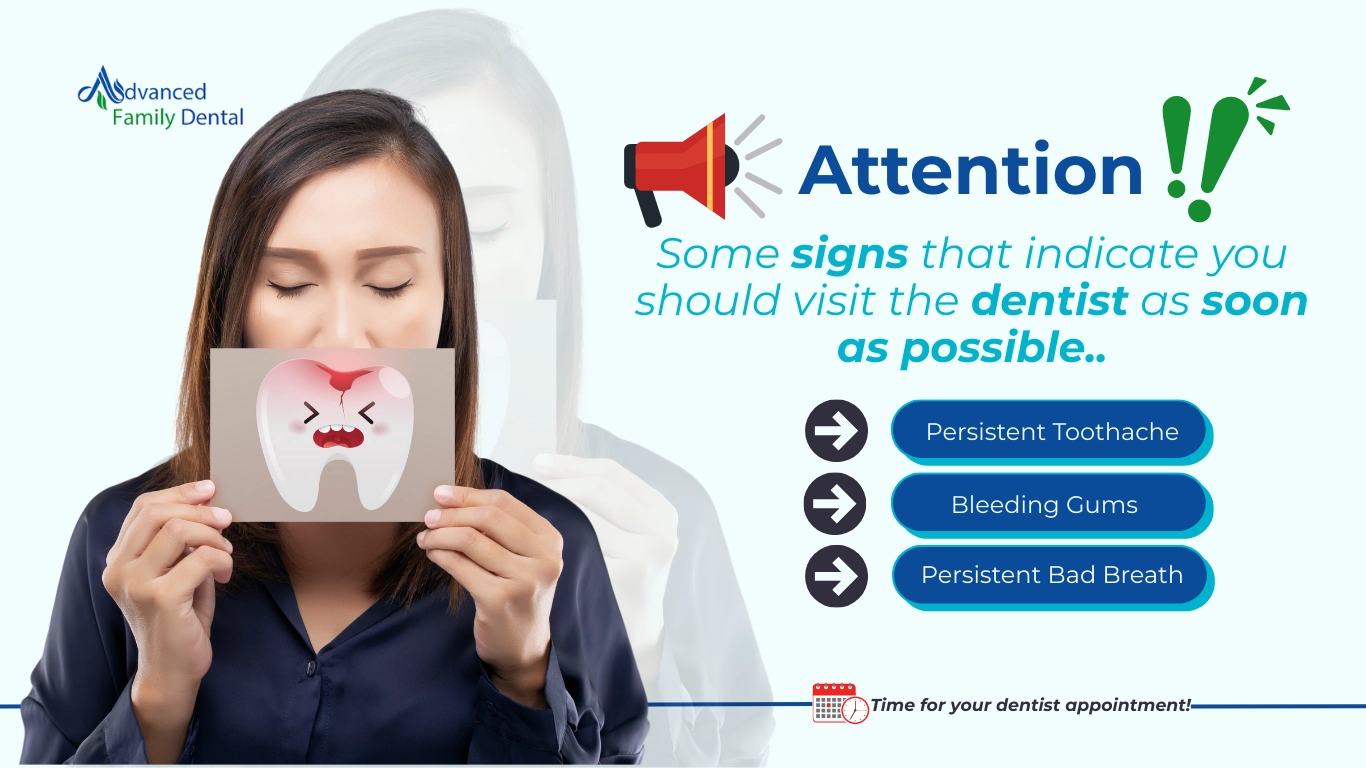
You should never ignore signs of discomfort or changes in your mouth. Early attention can help avoid complications.
Here are some symptoms that might signal the need for a tooth extraction:
-
Persistent or severe tooth pain that doesn’t go away
-
Swelling around the tooth or gums
-
Sensitivity to hot or cold
-
Bleeding gums or visible gum infection
-
A tooth that feels loose or unstable
-
Jaw pain or swelling near the affected tooth
-
Difficulty chewing or biting down
If you are experiencing any of these symptoms, don’t wait—contact Advanced Family Dental in Kendall, FL today at 786.899.0889 to schedule an evaluation. Early treatment can often save the tooth before extraction becomes necessary.
Types of Tooth Extractions
Not all extractions are the same. Depending on your dental condition, your dentist will determine which type of extraction is appropriate.
-
Simple ExtractionThis is performed when the tooth is visible and easily accessible. The dentist uses special instruments to gently remove it. Local anesthesia ensures you feel no pain during the process.
-
Surgical ExtractionWhen the tooth is impacted, broken, or hidden under the gum line (like wisdom teeth), a surgical extraction is required. This procedure involves making a small incision in the gum to access and remove the tooth safely.
At Advanced Family Dental, we use modern technology and gentle techniques to make sure your extraction is comfortable, quick, and stress-free. Our experienced team provides detailed aftercare instructions to promote smooth healing and prevent infection.
Aftercare and Healing
Following your extraction, your dentist will give you specific care instructions to support healing. Typically, you can expect some mild swelling or tenderness for a few days, which can be managed with prescribed or over-the-counter medication.
Here are some general recovery tips:
-
Bite gently on the gauze pad to stop bleeding.
-
Avoid rinsing or spitting forcefully for 24 hours.
-
Stick to soft foods for the first day or two.
-
Avoid smoking or drinking through a straw.
-
Keep the area clean and follow your dentist’s hygiene recommendations.
Most patients recover fully within a week. If you experience prolonged pain or swelling, contact us right away.
Protecting Your Smile After an Extraction
Once your mouth has healed, it’s important to discuss replacement options with your dentist. Leaving a gap can cause teeth to shift, leading to bite problems or bone loss. Depending on your needs, your dentist might recommend:
-
Dental Implants for a natural, long-lasting replacement
-
Bridges to fill the gap using neighboring teeth
-
Dentures for multiple missing teeth
At Advanced Family Dental in Kendall, FL, we’ll help you find the best solution to restore your smile’s health, function, and beauty.
Book Your Consultation Today
If you think you might need a tooth extraction, don’t worry—you’re in caring hands. Our team at Advanced Family Dental focuses on patient comfort and education, making every procedure as gentle and stress-free as possible.
Call us today at 786.899.0889 to schedule your appointment or learn more about your options. We’ll make sure your smile stays healthy for years to come.
FAQs
1. Is a tooth extraction painful?
No, the procedure is done under local anesthesia, so you shouldn’t feel pain during the extraction.
2. How long does it take to recover from a tooth extraction?
Most people heal within 7 to 10 days, depending on the type of extraction and individual healing speed.
3. Can I go to work after having a tooth removed?
Yes, many patients return to work the next day, especially after a simple extraction.
4. What foods should I avoid after tooth extraction?
Avoid hard, crunchy, or spicy foods for the first few days to prevent irritation.
5. What happens if I don’t replace an extracted tooth?
It can cause teeth to shift, bone loss, and changes in bite alignment over time.